
Exclusion Bullying
Being deliberately left out can hurt deeply. Understand social exclusion, recognise bullying and discover practical ways to find support.
Everyone wants to feel accepted and included. But sometimes a child or young person is deliberately ignored, rejected or pushed out of a friendship group.
Exclusion bullying is a form of social or relational bullying. It can happen at school, in clubs, among friends or through online group chats.
Unlike some other forms of bullying, exclusion can be difficult for adults to notice. That does not make its effects any less important.
Is It Bullying or a Change in Friendship?
Friendships Naturally Change
People develop different interests, form new friendships and sometimes grow apart.
Not being invited to every gathering or included in every activity does not automatically mean someone is bullying you.
Everyone has the right to choose their friends.
When Exclusion Becomes Bullying
Exclusion may be bullying when someone repeatedly and deliberately uses rejection to hurt, humiliate or isolate another person.
It can involve encouraging others to ignore someone, spreading rumours or controlling who is allowed to belong to a group.
The pattern, intention and impact all matter.
What Does Exclusion Bullying Look Like?
At School
- Repeatedly leaving someone out of games or activities
- Encouraging classmates not to speak to a particular pupil
- Deliberately isolating someone during breaks
- Using friendship groups to punish or humiliate
Online
- Deliberately excluding someone from group chats to upset them
- Organising group activities specifically to humiliate someone left out
- Using online silence or coordinated ignoring as punishment
- Sharing rumours to turn others against someone
Within Friendship Groups
- Threatening to end friendships unless someone obeys
- Pressuring others to reject a particular person
- Making acceptance conditional on joining in with unkind behaviour
- Repeatedly withdrawing friendship to exert control
Possible Warning Signs
- Becoming anxious about school or social events
- Feeling isolated or losing confidence
- Being distressed by group messages
- Withdrawing from activities previously enjoyed
These signs can have different causes, so listening carefully is important.
Why Being Left Out Hurts
Belonging is an important human need. When someone is deliberately excluded, they may experience sadness, anxiety, embarrassment or a loss of confidence.
Repeated social rejection can affect a child's friendships, wellbeing and willingness to take part in school activities.
Research into social exclusion helps explain why seemingly small acts, such as repeatedly ignoring someone, can have a significant emotional impact.
Cyberball: The Experiment That Explores Exclusion
Psychologist Kipling Williams helped develop Cyberball, a virtual ball-tossing game used by researchers to study how people respond to being included or excluded.
Participants believe they are passing a ball with other players. After initially receiving the ball, some participants find that the other players stop including them.
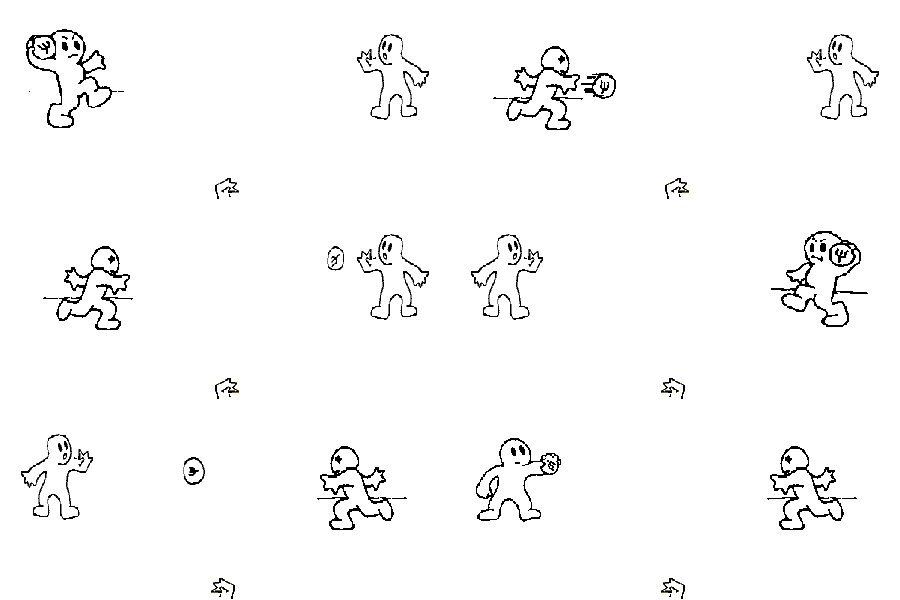
Cyberball illustrates how someone can be deliberately excluded from a group.
Research using Cyberball has shown that even brief experiences of social exclusion can cause distress and threaten people's sense of belonging.
Some studies have found activity in brain regions associated with the distressing aspects of physical pain. This does not mean emotional and physical pain are identical, but it helps explain why exclusion can feel so powerful.
The lesson: Deliberately leaving someone out is not always harmless. Small acts of exclusion can have a real emotional effect.
Six Ways to Respond to Exclusion Bullying
1. Recognise the Pattern
Think about whether the exclusion is repeated and deliberate or whether friendships are naturally changing.
You do not have to work this out alone. A trusted adult can help you understand what is happening.
2. Talk to Someone You Trust
Speak to a parent, teacher, school counsellor or another supportive adult.
Explain what has happened, how often it occurs and how it makes you feel.
3. Don't Feel You Must Hide Your Feelings
Feeling upset about exclusion is a normal response.
You can choose how to respond in the moment while still sharing your feelings openly with someone safe.
4. Keep a Record
If exclusion is repeated, note what happened, when and who was involved.
Save relevant online messages where appropriate. This can help a school understand a wider pattern of behaviour.
5. Build Connections Elsewhere
Explore friendships and activities where you feel welcome.
Clubs, sport, music, volunteering and other shared interests can create opportunities to meet supportive people.
6. Protect Your Boundaries
You do not have to attend gatherings where you feel unsafe or accept unkind treatment to remain part of a group.
Healthy friendships do not depend on humiliation, threats or pressure to hurt other people.
Fear of Being Dropped (FOBD)
Some young people worry constantly about losing their place in a friendship group. This experience is sometimes described as Fear of Being Dropped, or FOBD.
FOBD is a descriptive term rather than a formal clinical diagnosis. It captures the anxiety that can develop when belonging feels uncertain or conditional.
What Can FOBD Feel Like?
- Constantly checking messages and group chats
- Worrying about not being invited
- Feeling pressure to agree with group leaders
- Being afraid to disagree with friends
- Feeling anxious when others make plans
How Can It Affect Behaviour?
- Joining in with gossip to remain accepted
- Laughing at unkind jokes despite feeling uncomfortable
- Excluding others through fear of becoming a target
- Changing personal interests or opinions to fit in
- Putting group approval above personal values
Friendship Should Not Depend on Fear
A healthy friendship allows you to disagree, spend time with other people and be yourself.
If someone threatens to exclude you unless you bully another person, speak to a trusted adult. You should not have to hurt someone else to secure your own place in a group.
How Parents and Teachers Can Help
Listen and Take Concerns Seriously
Avoid dismissing exclusion as simply part of growing up.
Ask what has happened, whether it is repeated and how the child is coping.
Look for Patterns
Observe group dynamics, classroom activities, break times and online interactions where appropriate.
Distinguish deliberate isolation from ordinary friendship preferences.
Support Inclusion
Create opportunities for positive peer relationships without forcing children into friendships.
Encourage kindness, respectful group behaviour and inclusive activities.
Take Action When Necessary
If exclusion amounts to bullying, follow the school's anti-bullying and safeguarding procedures.
Agree on practical support, review the situation and ensure the child knows whom to approach.
Frequently Asked Questions
Is leaving someone out always bullying?
No. People are entitled to choose their friendships. Exclusion becomes concerning when it forms a deliberate pattern intended to hurt, isolate or control another person.
Can exclusion bullying happen online?
Yes. Group chats, gaming communities and social media can be used to deliberately isolate or humiliate someone.
Should I try harder to fit in?
You can make an effort to build friendships, but you should not have to change your values, tolerate mistreatment or join in with bullying to be accepted.
What if my child is afraid of losing their friends?
Listen without judgement. Help them recognise healthy and unhealthy friendships, develop confidence and find supportive relationships beyond one group.
Can a school help with social exclusion?
Yes. Schools can investigate patterns of deliberate exclusion, support affected pupils and address bullying behaviour under their policies.
Find More Advice and Support
If you or your child is experiencing exclusion bullying, Act Against Bullying offers practical guidance and routes to further help.
Children and young people can contact Childline free on 0800 1111. If someone is in immediate danger, call 999.